Commercial vs. Residential Junk Removal in Northeast Ohio: What You Need to Know
Residential junk removal covers household cleanouts such as furniture, appliances, and renovation debris, and typically runs as a single daytime or weekend appointment. Commercial junk removal covers larger volumes of office furniture, electronics, and construction debris, and often runs on a recurring schedule or outside normal business hours. Pricing for both is based on volume, but commercial jobs usually involve more specialty items and higher totals. NEO Junk Removal provides both services across Warren, Youngstown, and Cleveland.
A property manager in Warren calling about an office cleanout usually asks the same question as a homeowner in Youngstown clearing out a basement: does this job count as residential or commercial? The answer affects pricing, scheduling, and the type of crew that shows up on site. Many Northeast Ohio property owners assume junk removal is one uniform service, but the distinction between residential and commercial work changes almost every part of the process, from load size to disposal requirements. A missed detail on either side, such as booking a single-appointment crew for a full warehouse cleanout, can lead to delays or a return trip. NEO Junk Removal handles both categories throughout Warren, Youngstown, and Cleveland, and understanding the difference makes it easier to book the correct service, the right crew size, and an accurate estimate on the first call.
What Is Residential Junk Removal?
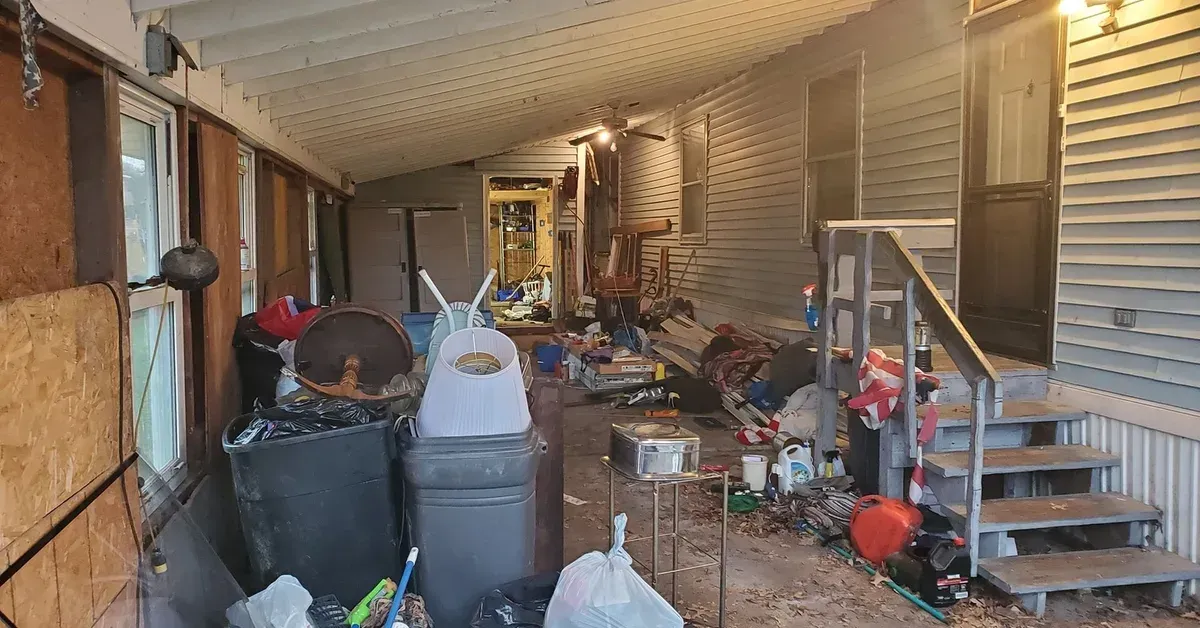
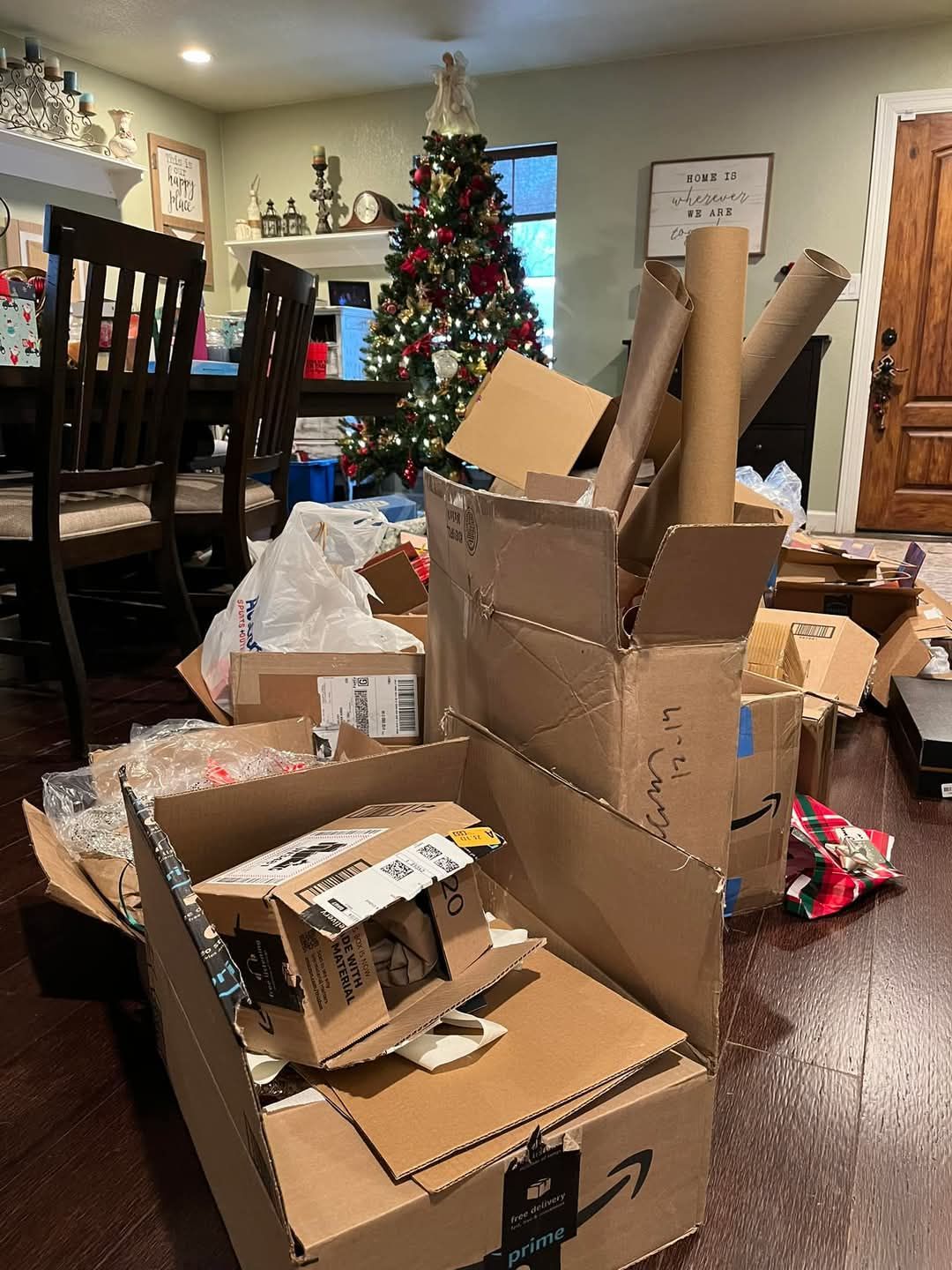
Residential junk removal covers items removed from a home, including furniture, mattresses, appliances, and general household clutter. This service is built around single-family homes, apartments, and condos, and it usually involves one appointment rather than a recurring contract.
Common residential scenarios include:
● Downsizing before a move or a transition to a smaller living space
● Full-service moves where furniture and boxes need to be cleared quickly
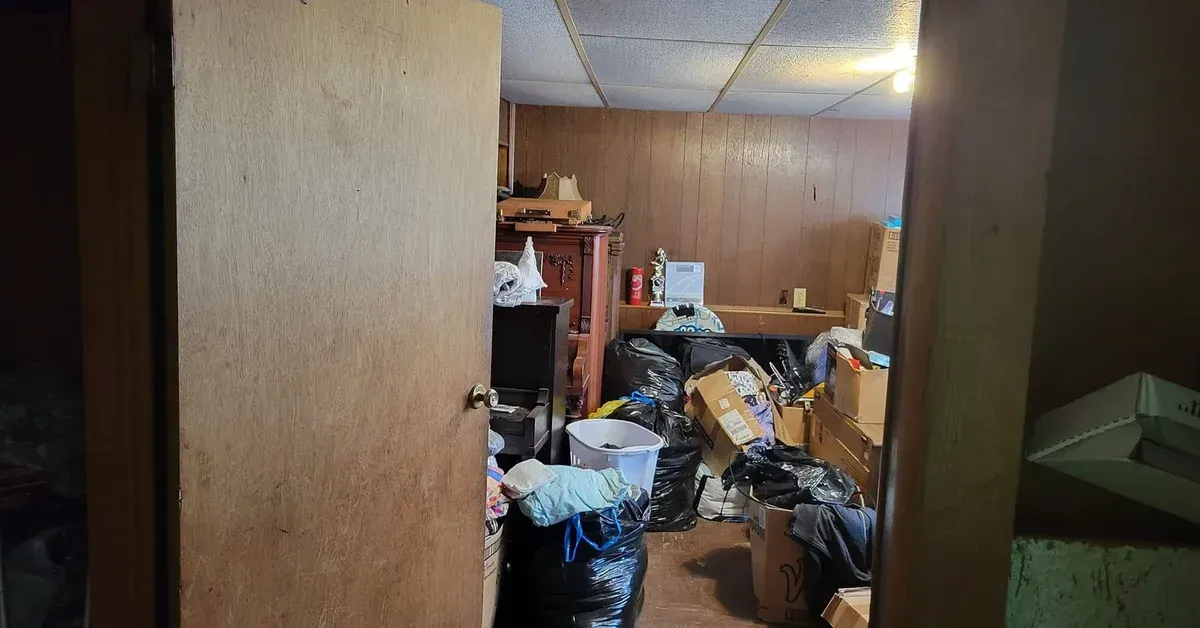
● Estate cleanouts following a death in the family or a property sale
● Renovation debris left behind after flooring, drywall, or fixture replacement
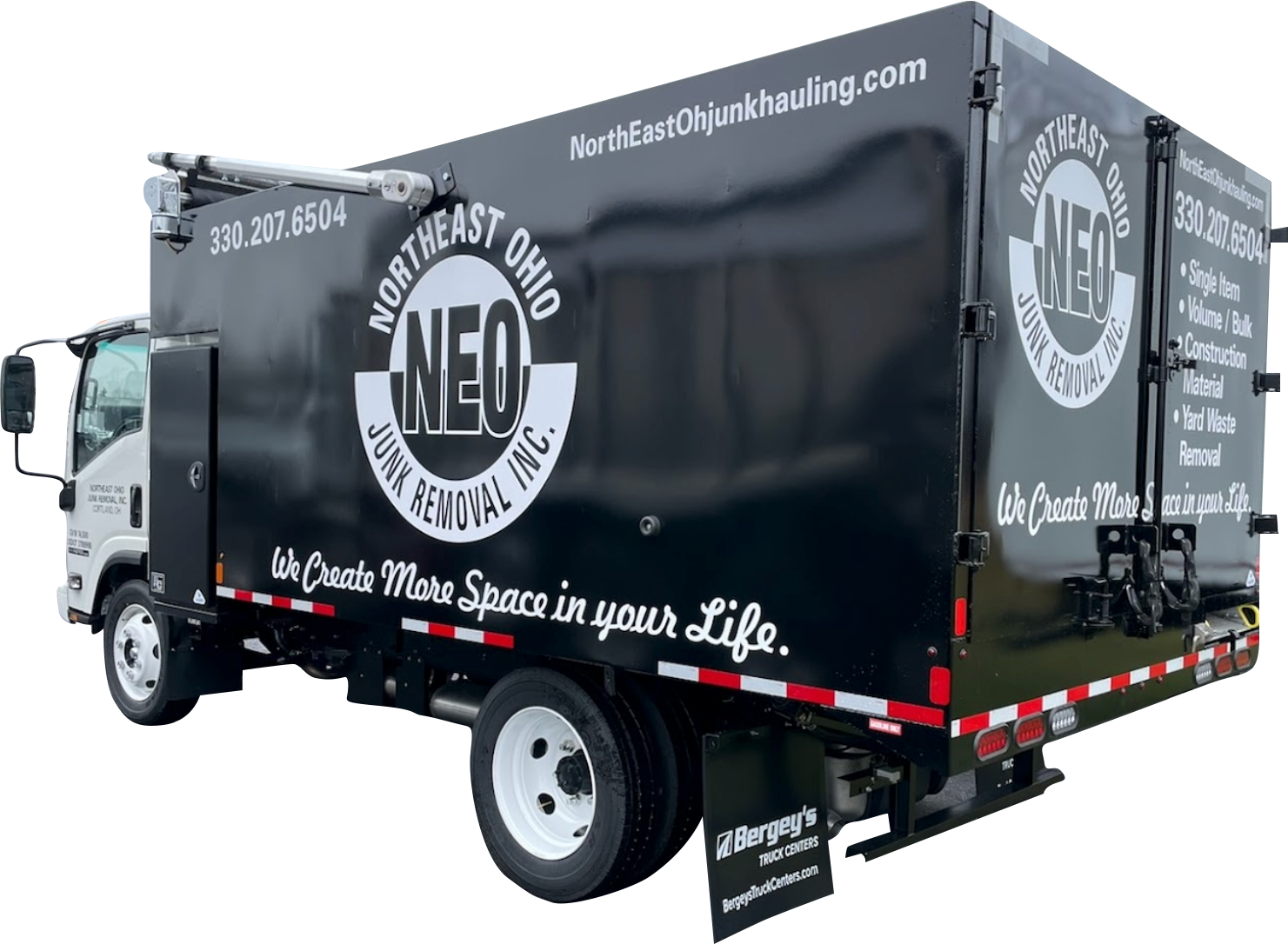
Scheduling for residential jobs tends to be straightforward. Most homeowners book a daytime or weekend appointment, and the crew completes the job in a single visit. A standard residential truck and two-person crew can usually handle a full room or garage in an hour or two, and larger whole-home cleanouts are simply scaled up with additional truck loads rather than a different type of service. There is rarely a need for recurring service, since household junk accumulates gradually rather than in ongoing volume. Full details on scope and pricing are available on the
residential junk removal services page.
What Is Commercial Junk Removal?
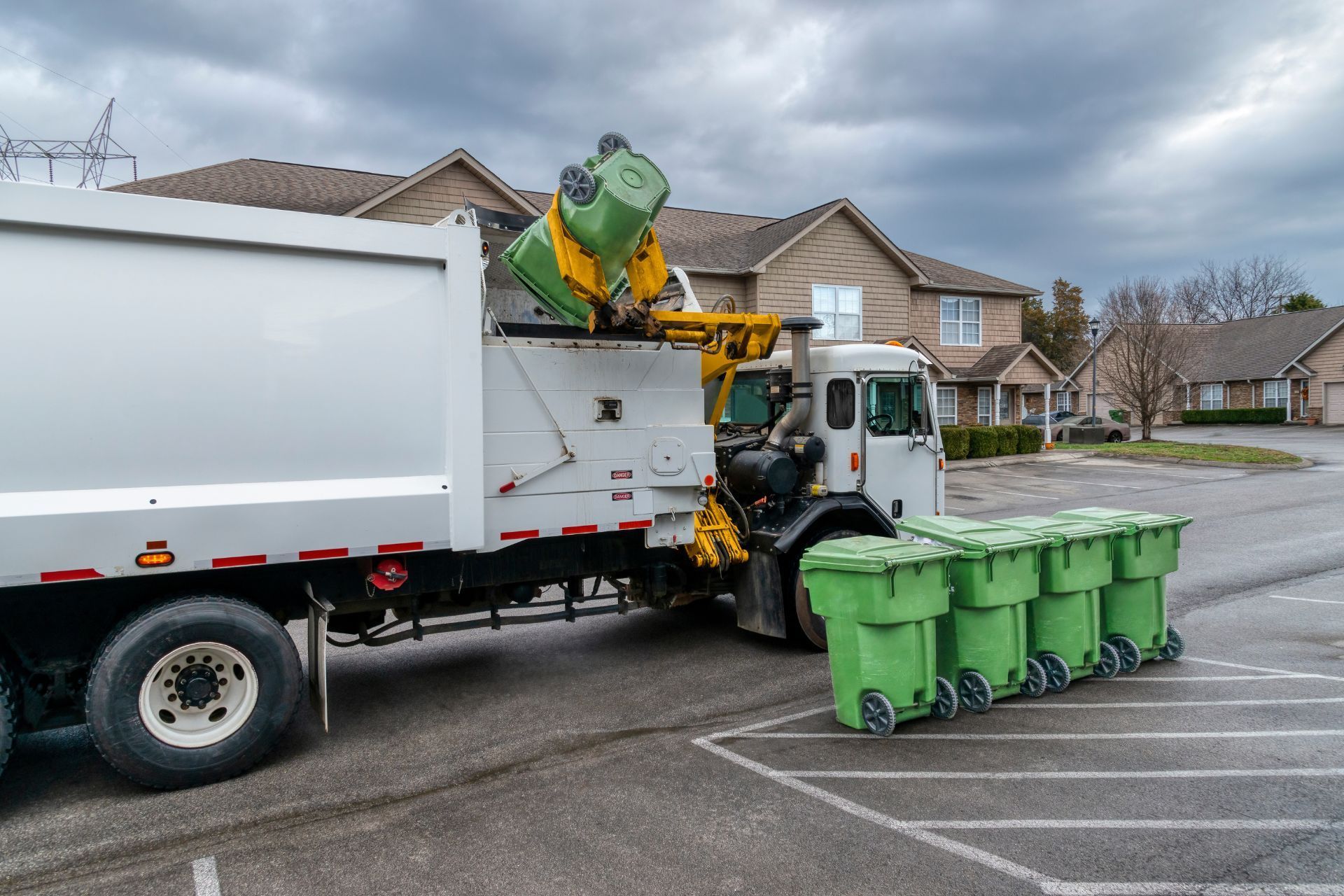
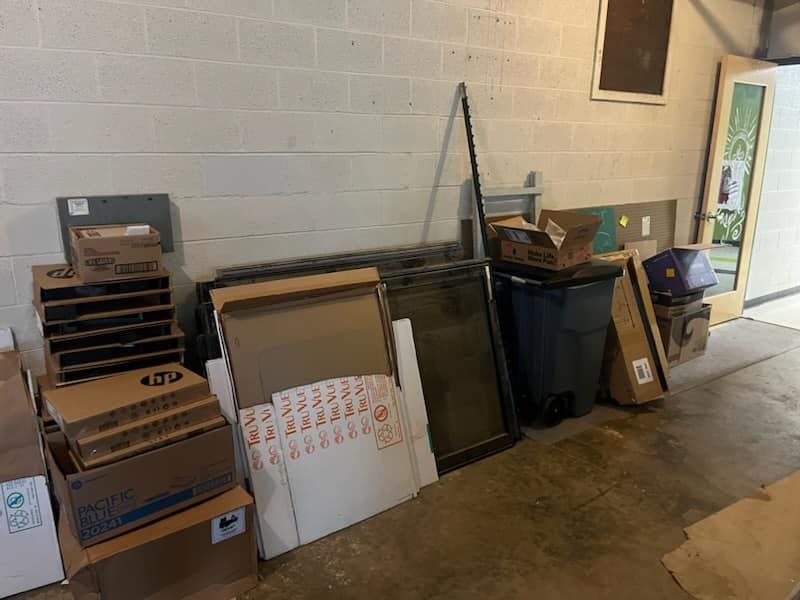
Commercial junk removal covers items removed from businesses, offices, retail spaces, and warehouses. This service is built around a different scale of work, including office furniture, electronic waste, and warehouse overstock that a typical residential crew and truck size would not be equipped to handle in one trip.
Common commercial scenarios include:
● Office relocations that require clearing out old desks, chairs, and filing systems
● Retail renovations where fixtures, shelving, and old signage need removal
● Property management turnovers between commercial tenants
● Warehouse cleanouts involving pallets, packaging, or obsolete inventory
Scheduling flexibility is one of the biggest differences on the commercial side. Business owners often need service before or after normal operating hours to avoid disrupting staff or customers, and some commercial accounts set up recurring pickups rather than a single appointment. Larger commercial buildings, multi-suite office parks, and retail strips also tend to require a bigger crew and a larger truck than a typical home cleanout, since the volume of furniture and equipment is usually higher and often spread across multiple floors or units. A property management company handling several buildings in Warren or Youngstown, for example, may need commercial junk removal in Warren scheduled every month rather than once.
Key Differences at a Glance
The table below breaks down how residential and commercial junk removal compare across the categories that matter most when booking a job. Reviewing it side by side makes it easier to spot which column matches a specific project, especially for jobs that involve a mix of office and household items
In most cases, one column will clearly fit the project. When both columns seem to apply, the overlap scenarios covered later in this guide offer more guidance on how to describe the job when scheduling.
How Pricing Differs Between Residential and Commercial Jobs
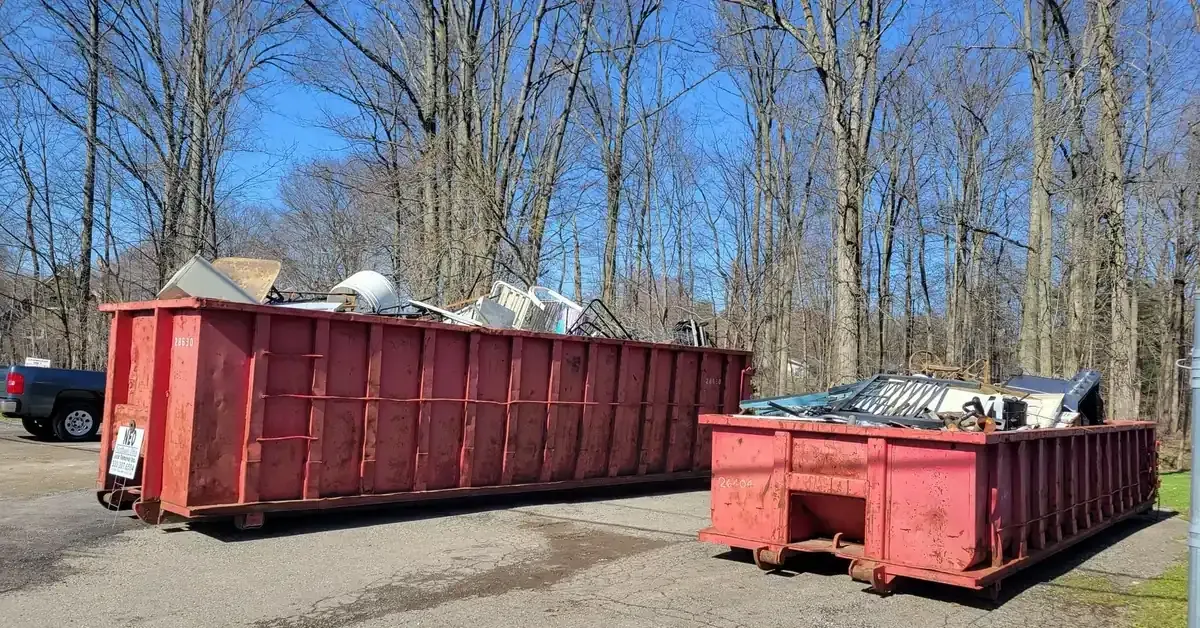
Both residential and commercial junk removal are priced primarily by volume, meaning the amount of space items take up in the truck rather than a flat per-item rate. That said, commercial jobs tend to land on the higher end of the pricing scale simply because the load sizes are larger and more consistent. A single office floor cleanout, for example, can easily fill several truck loads once desks, chairs, and filing cabinets are broken down, while a typical residential appointment fills a fraction of one load.
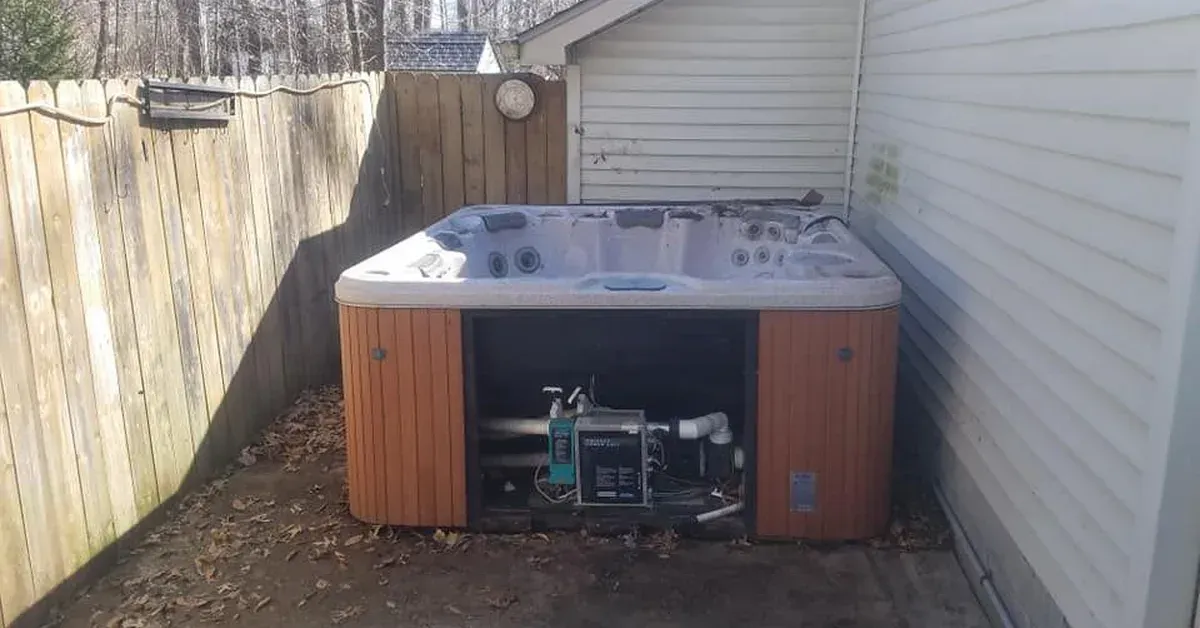
Specialty items also play a bigger role in commercial pricing. Cubicles, filing cabinets, server racks, and other tech equipment often require extra labor to disassemble or extra care during disposal, which can affect the final quote. Disposal fees for certain materials, such as electronics or fluorescent lighting, can also add to a commercial estimate depending on local disposal requirements. Residential jobs occasionally include specialty items too, such as a piano or a hot tub, but they show up far less often than in office or warehouse settings.
For larger commercial jobs, a walkthrough estimate is standard practice rather than an optional upgrade. Seeing the space in person allows for a more accurate quote and helps identify any items that require special handling before the crew arrives, such as electronics that fall under EPA electronics recycling guidelines. A phone estimate usually works fine for most residential appointments, since the scope of a home cleanout is easier to describe over the phone, and most items involved are common household goods rather than specialty equipment.
Jobs That Overlap Both Categories
Not every job fits neatly into one category, and Northeast Ohio has plenty of situations that blend residential and commercial elements.
Home-based businesses are one common overlap. A homeowner running a small business out of a garage or spare room may need both household items and business inventory removed in the same visit. Property management is another example, particularly when a landlord needs a residential rental unit cleared out between tenants but manages the property as part of a larger commercial portfolio. Short-term rental turnovers fall into a similar gray area, since a property that operates like a business for booking purposes still needs household-style furniture and appliance removal between guests. Mixed-use buildings, where retail or office space sits below residential units, create a fourth overlap scenario, since a single cleanout may touch both a storefront and an apartment above it.
In these situations, the safest approach is to describe the full scope of the job when scheduling, rather than trying to label it as strictly residential or commercial. A clear description of what needs to go, and where it is located, allows the crew to plan the right truck size and labor for the visit.
What Northeast Ohio Businesses Typically Need Removed
Business owners and office managers across the region often reach out once a lease change, renovation, or relocation is already on the calendar, which makes timing an important part of the request. Commercial clients across Warren, Youngstown, and Cleveland tend to request removal of a similar set of items, including:
● Office furniture such as desks, chairs, cubicles, and conference tables
● Filing systems and old records storage no longer needed on-site
● Electronics and e-waste, including monitors, computers, and networking equipment, which should follow EPA electronics recycling guidance whenever possible
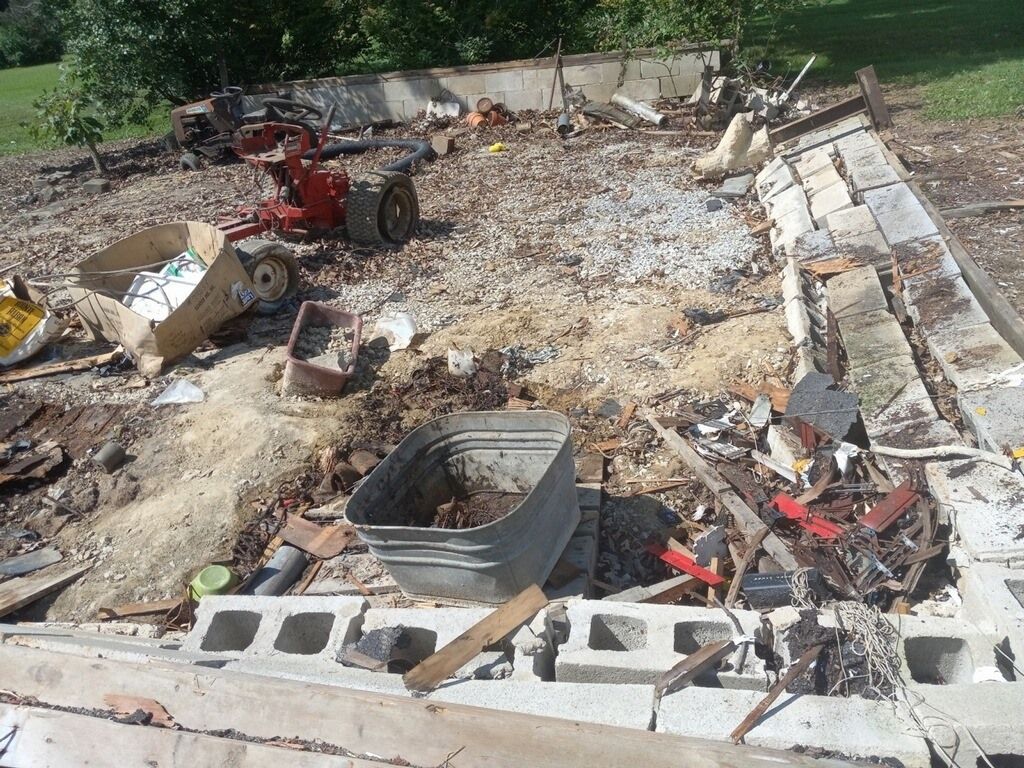
● Construction and renovation debris generated during commercial retrofits, including drywall, ceiling tile, and flooring
Retail and office spaces in particular tend to generate large volumes of mixed material during a single project, since a store remodel or office buildout often combines old fixtures, flooring, and furniture removal into one job rather than several smaller ones.
Business owners handling a large cleanout should also be aware of general compliance considerations that come up during commercial property changes, such as those outlined in the SBA business compliance guide, particularly when clearing out a space ahead of a lease change or ownership transfer.
What Northeast Ohio Homeowners Typically Need Removed
Homeowners generally reach out for a specific event, such as a move, an inheritance, or a renovation, rather than an ongoing schedule, which is part of why the residential side of the business tends to run on single appointments. Homeowners across the region tend to request a different mix of items, including:
● Furniture, mattresses, and appliances that are outdated, damaged, or simply no longer needed
● Yard waste following storm cleanup or landscaping projects
● Basement and attic clearouts, often uncovering years of stored items and estate belongings
● Post-renovation material such as old drywall, flooring, and fixtures pulled out during a remodel
Seasonal timing plays a role on the residential side as well. Spring and early summer tend to bring more moving-related cleanouts, while fall often brings yard waste and storm debris following seasonal weather in Northeast Ohio.
For homeowners looking to recycle or donate certain items rather than send everything to the landfill, a tool such as the Earth911 recycling search tool can help locate nearby drop-off options for electronics, paint, and other specialty materials.
How to Choose the Right Service for Your Project
A few questions can help determine which service applies before making a call:
● Is the space being cleared a home, an office, or a mix of both?
● Does the job need to happen during business hours, or does it need to work around a schedule?
● Is this a one-time cleanout or something that will need to happen again in the future?
● Are there large or specialty items involved, such as office equipment, appliances, or construction debris?
A quick phone estimate is usually enough for a standard home cleanout, while a larger office, retail, or warehouse job typically benefits from an in-person walkthrough. When a job seems to fall somewhere in between, describing the space and the items involved allows the right service and crew size to be matched to the project from the start.
It also helps to think about access and building rules before scheduling. Commercial buildings often have loading dock requirements, elevator reservations, or property management approval that need to be arranged ahead of time, while most residential jobs only require a clear path from the items to the truck. Mentioning these details when booking, whether it is a building access code for an office or a narrow driveway at a house, helps the crew arrive prepared and keeps the appointment on schedule.
Common Questions About Commercial and Residential Junk Removal
What is the difference between commercial and residential junk removal? Residential junk removal handles household items such as furniture, appliances, and renovation debris from homes, apartments, and condos, usually in a single appointment. Commercial junk removal handles larger volumes of office furniture, electronics, and construction material from businesses, and it often includes flexible or recurring scheduling.
Is commercial junk removal more expensive? Both services are priced by volume rather than a flat rate, so cost depends on how much space the items take up in the truck. Commercial jobs often cost more in total simply because the load sizes are larger and specialty items such as filing cabinets or tech equipment are more common.
Can a junk removal company work after hours? Many commercial accounts request before or after hours service to avoid disrupting employees or customers during the workday. Residential appointments typically run during standard daytime or weekend hours, though scheduling flexibility can vary by provider.
What counts as commercial junk? Commercial junk generally includes office furniture, electronics and e-waste, retail fixtures, warehouse pallets, and construction debris from business properties. Anything removed from a home, such as furniture, appliances, or yard waste, falls under residential junk instead.
Final Thoughts
Residential and commercial junk removal differ in job size, item types, scheduling flexibility, and pricing structure, but both follow the same core principle: pricing is based on volume, and a clear description of the job leads to a more accurate estimate. Property owners who are still unsure which category applies can simply describe the space and the items involved when calling, since the crew can determine the right approach from there. Northeast Ohio property owners do not need to worry about picking the wrong category before calling, since NEO Junk Removal handles residential and commercial cleanouts with the same level of professionalism and speed across Warren, Youngstown, and Cleveland.
Not sure which service is right for your project? Call
(330) 207-6504 for a free estimate, or
request a free estimate online. NEO Junk Removal serves residential and commercial clients throughout Northeast Ohio.