Preparing Properties for Renovation With Light Demolition in Northeast Ohio
Many renovation and improvement projects across Northeast Ohio begin with removing what no longer serves the space. Light demolition plays a critical role in preparing homes, rental properties, and commercial buildings for updates, remodels, or repurposing. From interior tear outs to small structure removal, this type of demolition allows projects to move forward safely and efficiently.
Understanding how light demolition fits into the renovation process helps property owners plan better and avoid unnecessary delays.
What Light Demolition Typically Involves
Light demolition focuses on controlled removal rather than full structural teardown. Common examples include removing sheds, decks, garages, interior walls, flooring, cabinets, and small outbuildings. These projects require careful planning to protect surrounding structures and ensure debris is removed properly.
Because light demolition often takes place near occupied spaces, precision and safety are essential throughout the process.
Interior Tear Outs and Renovation Prep
Interior demolition is often the first step in remodeling projects. Kitchens, bathrooms, basements, and office spaces frequently require removal of drywall, fixtures, cabinetry, and flooring before new construction begins.
Removing materials cleanly helps contractors access framing, plumbing, and electrical systems while keeping work areas organized and safe.
Removing Small Structures and Outbuildings
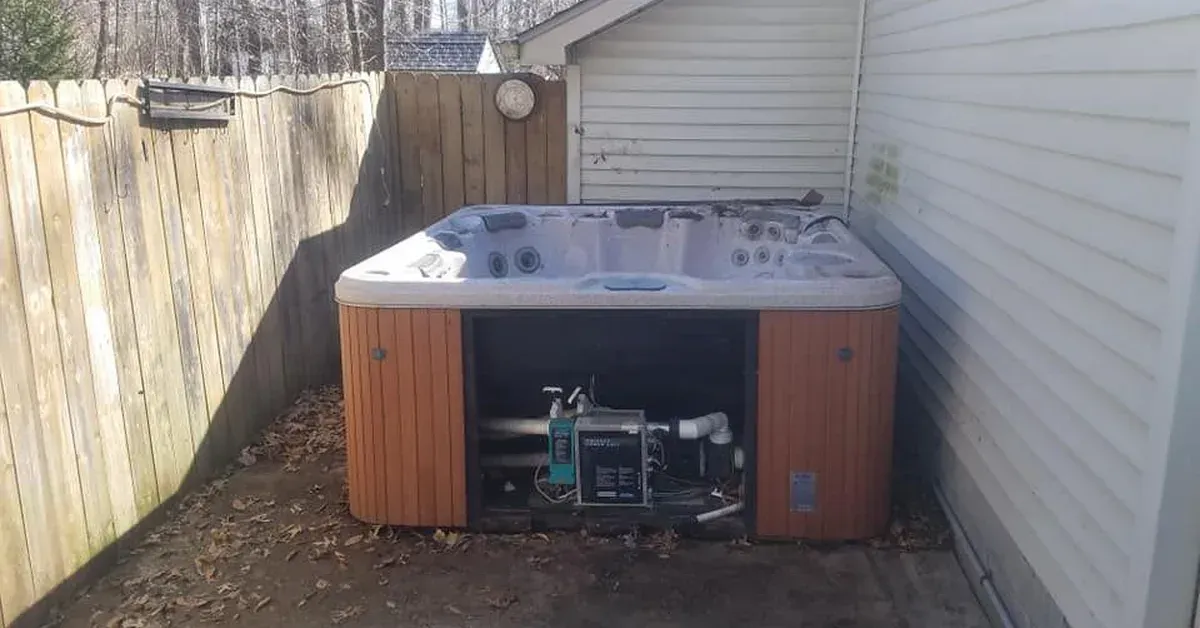
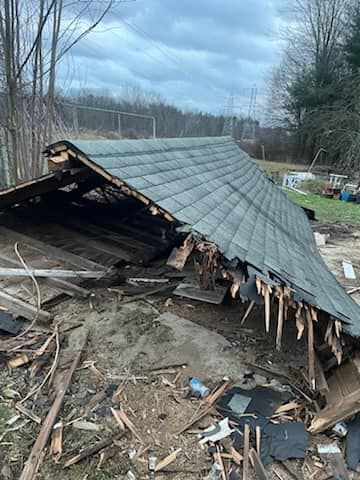
Sheds, playsets, decks, and small garages can become outdated, damaged, or no longer useful. Removing these structures opens up space for new landscaping, additions, or updated outdoor features.
Light demolition ensures these structures are dismantled methodically, with debris removed efficiently to leave the property ready for its next phase.
Safety and Property Protection
One of the most important aspects of light demolition is protecting the surrounding property. Careful dismantling minimizes damage to nearby structures, landscaping, and utilities.
Professional demolition planning helps reduce risks and ensures projects are completed without unnecessary disruption.
Managing Debris After Demolition
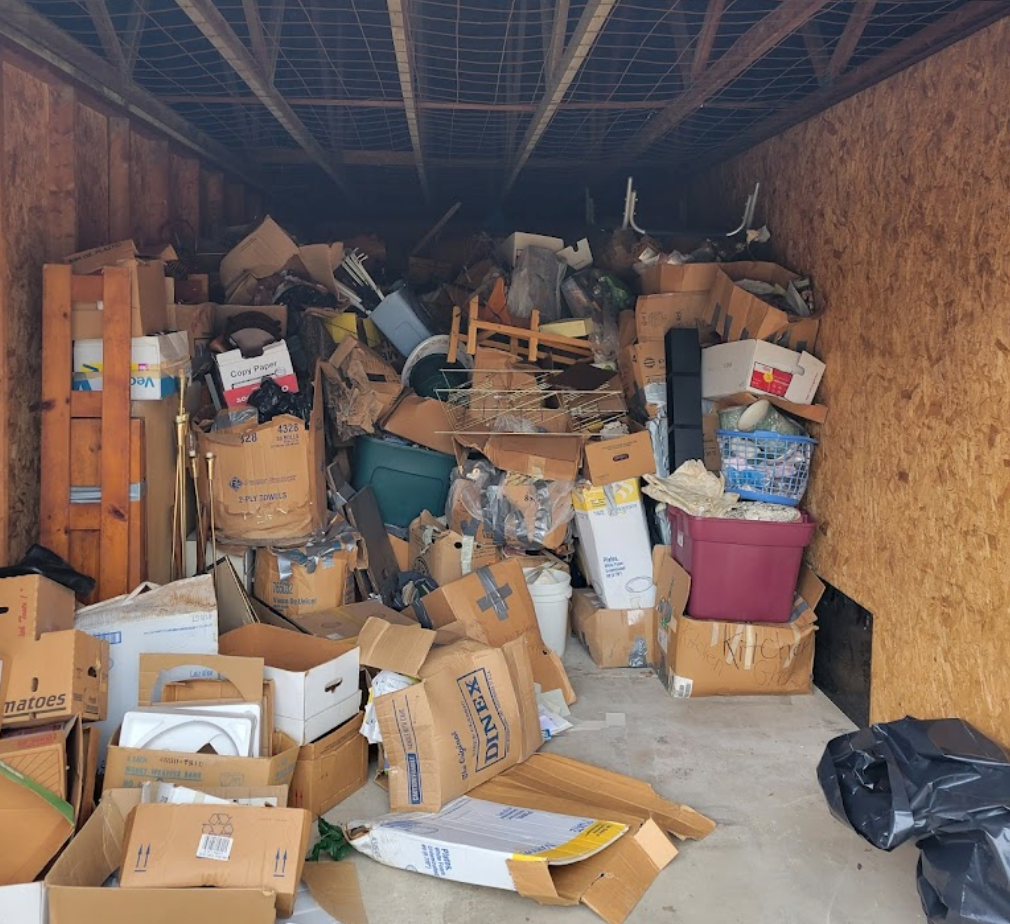
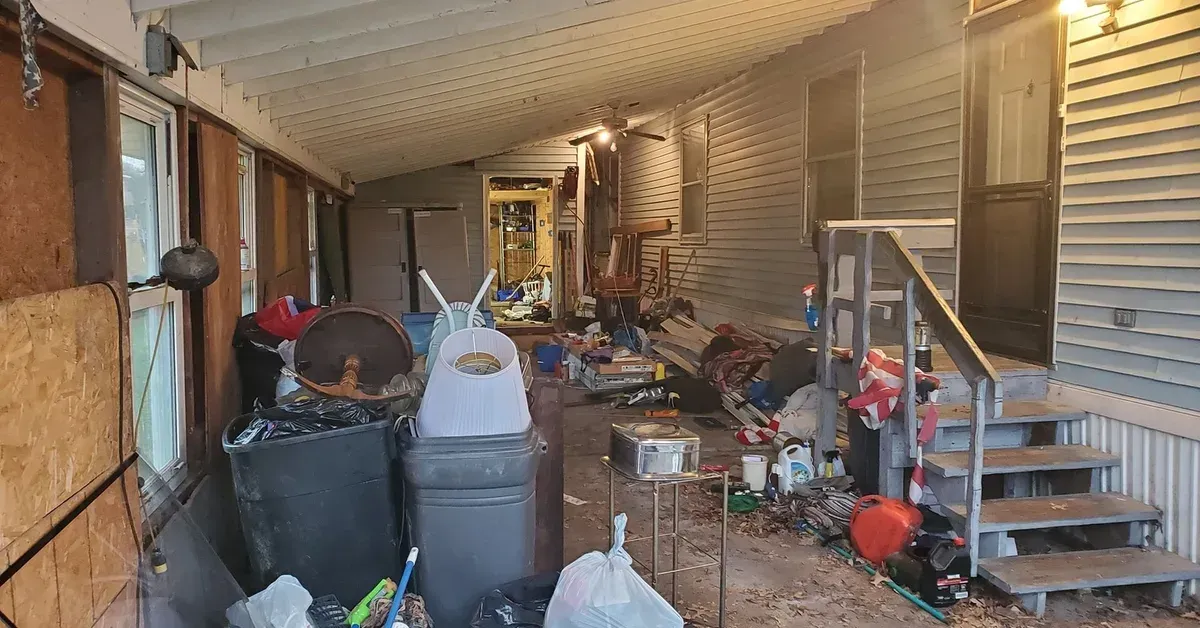
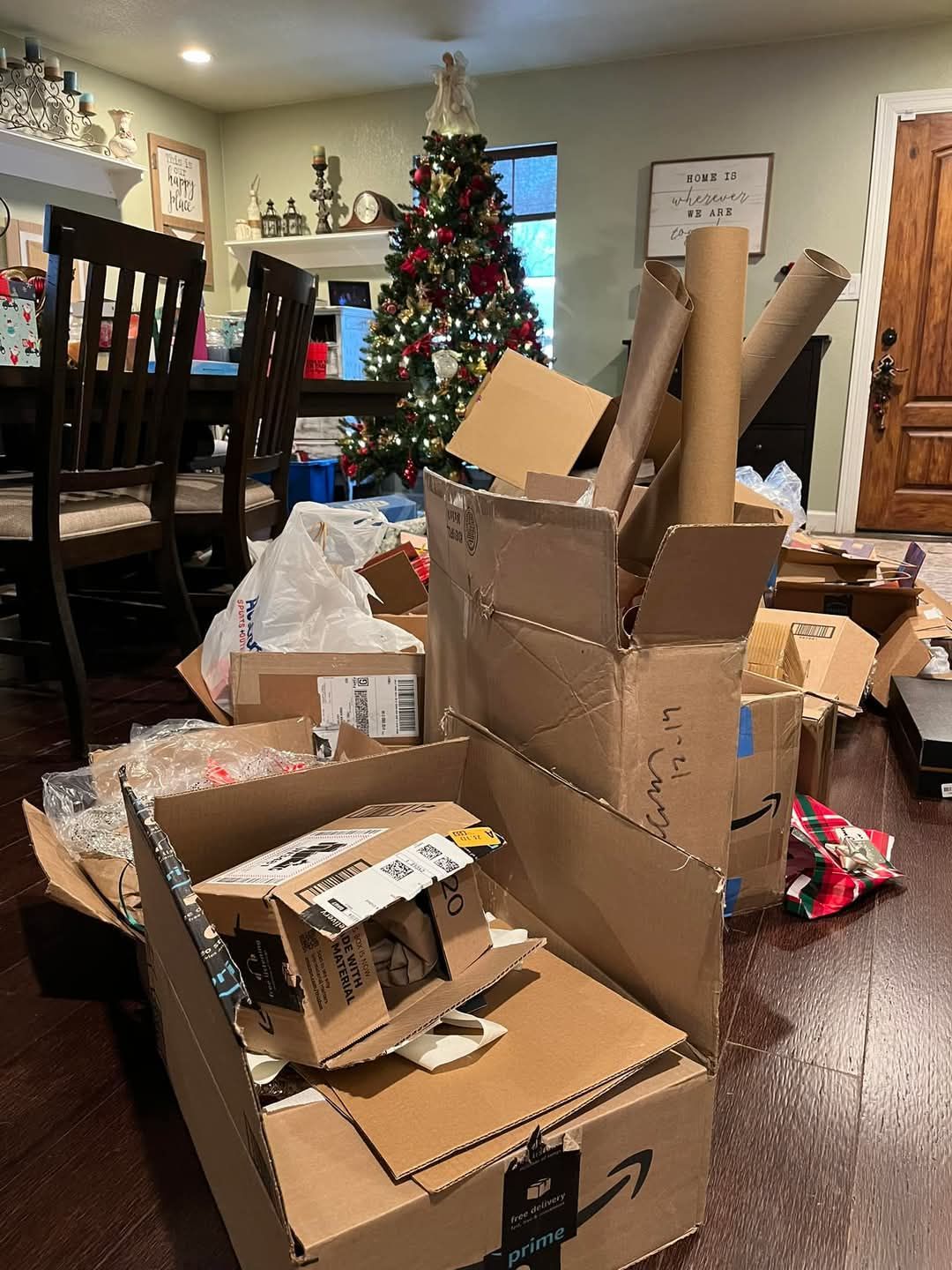
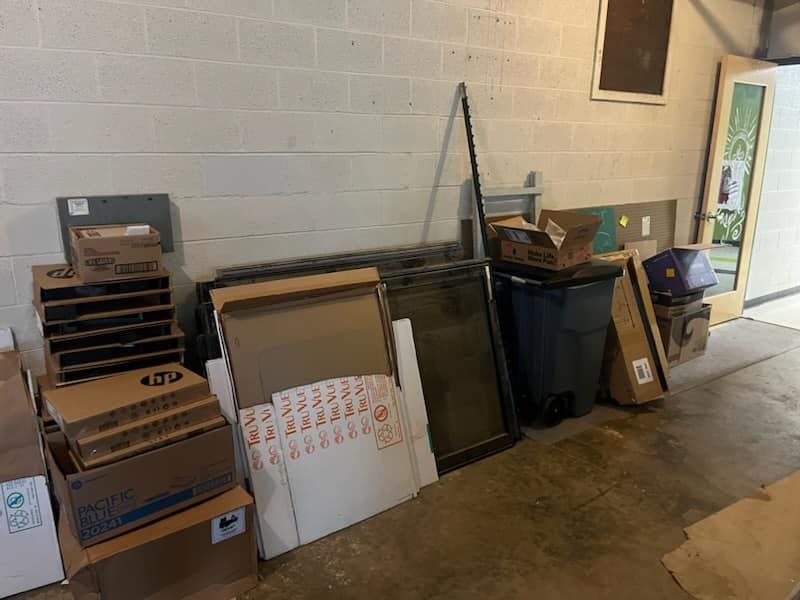
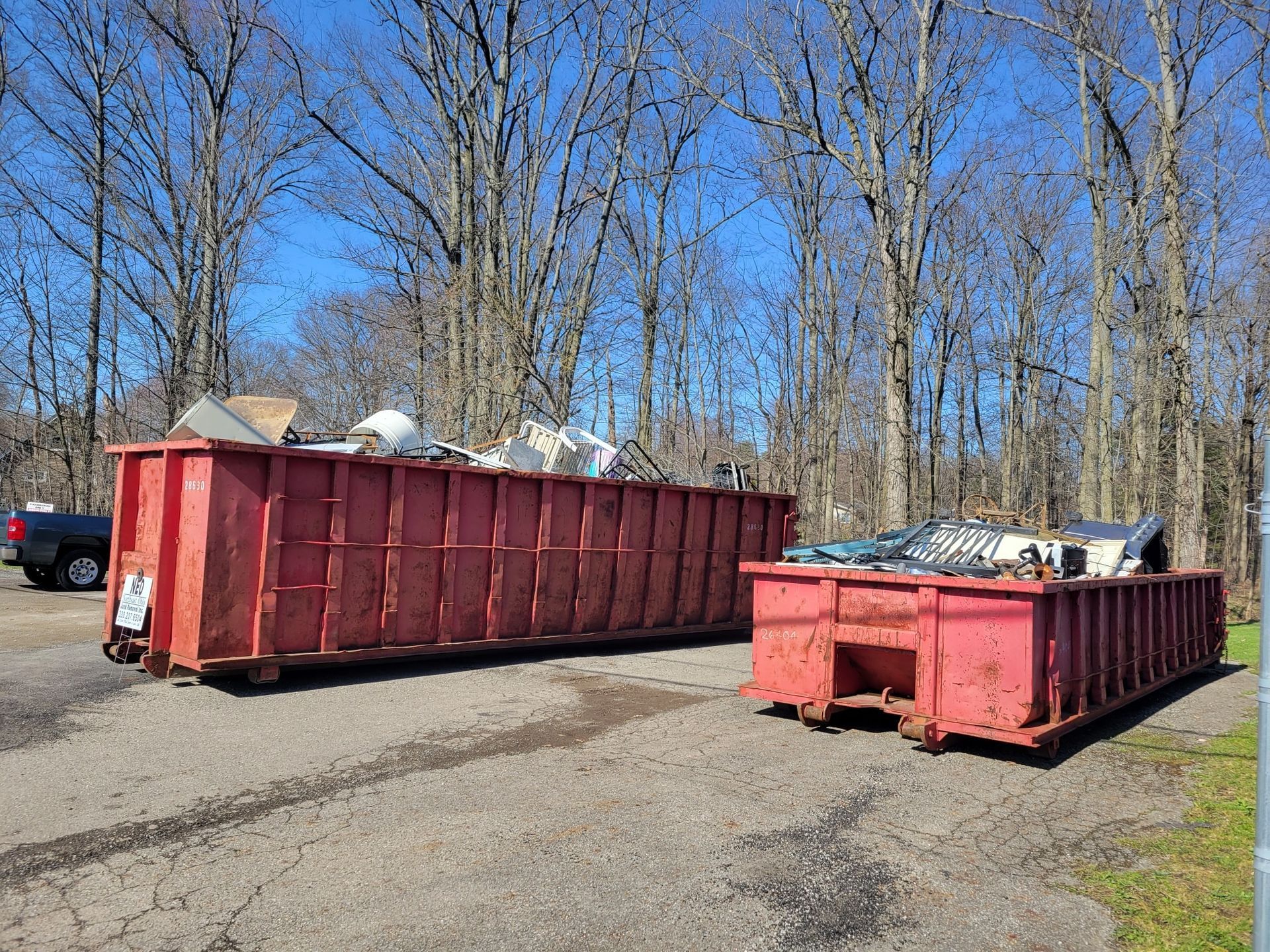
Demolition generates a significant amount of debris that must be handled properly. Wood, metal, drywall, and other materials accumulate quickly and can interfere with progress if not removed promptly.
Including debris removal as part of the demolition plan helps keep work sites clean and supports smoother project timelines.
Light Demolition for Rental and Commercial Properties
Landlords and commercial property owners often rely on light demolition to prepare spaces between tenants or before renovations. Removing outdated fixtures, partition walls, or damaged structures helps reset the space efficiently.
Proper demolition planning helps reduce downtime and allows properties to return to service more quickly.
Responsible Disposal and Recycling
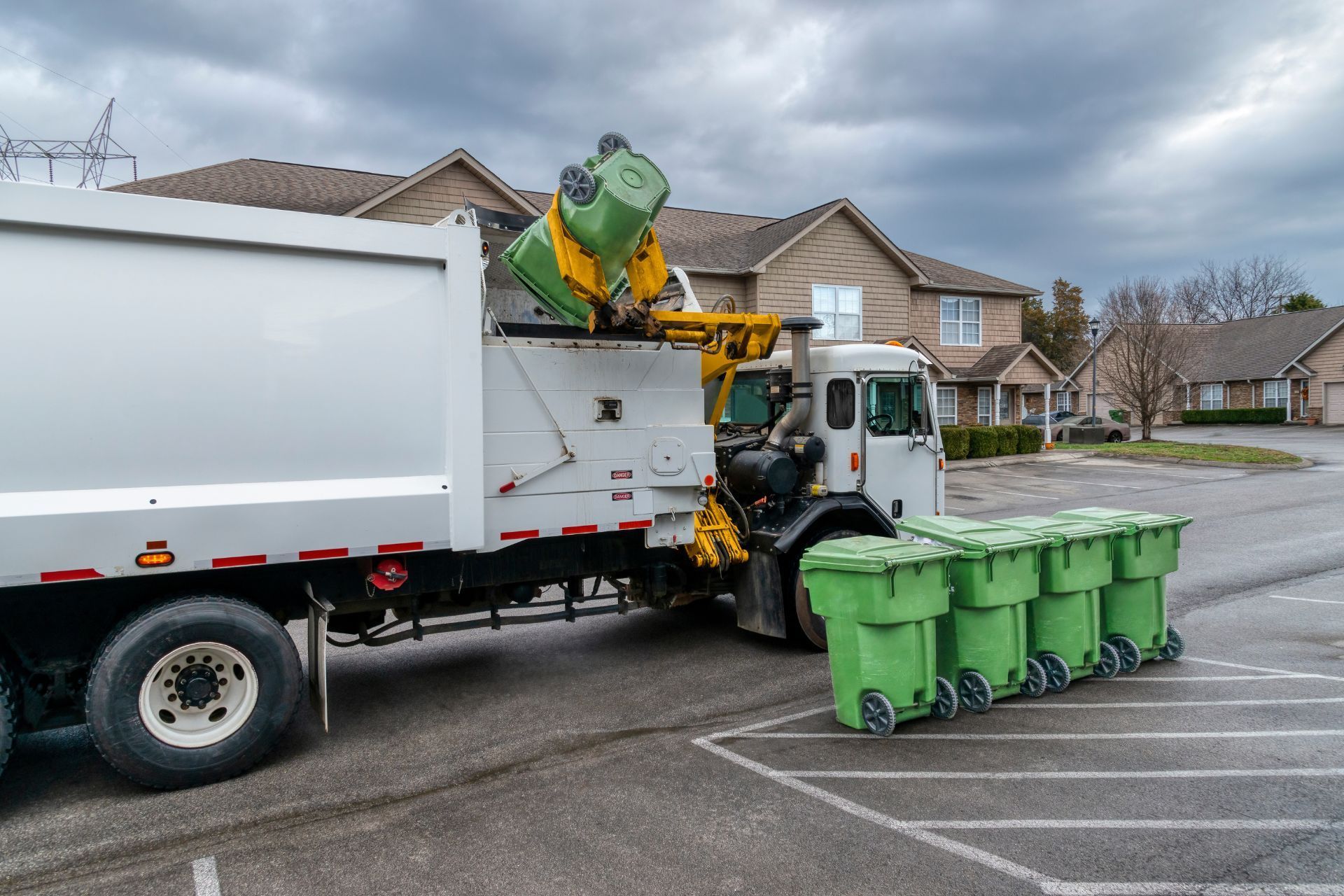
Many materials removed during light demolition can be recycled or disposed of responsibly. Sorting materials during removal helps reduce landfill waste and supports environmentally conscious cleanup practices.
Planning ahead for proper disposal contributes to cleaner communities throughout Northeast Ohio.
Planning Ahead for Better Results
Light demolition projects benefit from careful planning. Understanding the scope of removal, debris volume, and cleanup requirements helps prevent delays and unexpected challenges.
Knowing when to plan for light demolition Northeast Ohio allows property owners and contractors to move into the renovation phase with confidence.
Supporting Safe and Efficient Property Improvements
Light demolition is an essential step in many renovation and property improvement projects across Northeast Ohio. When handled properly, it creates a clean foundation for new construction while protecting surrounding spaces.
With the right approach, light demolition helps projects stay organized, safe, and on schedule from start to finish.